
Open every day · 7 AM–8:30 PM · Samala, Rohru

Good coffee.
Great heights.

The Himalayas’ home for Indian speciality coffee. Single-estate coffees from Karnataka and Tamil Nadu, and Japanese matcha, poured in a mountain village in Rohru.

Visit the café

Illustration of a cappuccino, a strawberry matcha and a coffee branch
On the bar. Four Indian coffees → From the estates. Meet the growers →

Speciality coffee, higher up.

Early starts. Better coffee. Open every day from 7 AM. Rooted in the mountains since 2022.

Why people drive to Tinmo’s.

People come up from Shimla, Chandigarh and Delhi for a cup they didn’t expect to find in the hills.

  • Speciality coffee in HimachalFour single-estate Indian coffees, traceable to the farm, roasted fresh and dialled in every morning.
  • The best coffee in RohruEspresso, pour-overs and matcha in Samala, open every day from 7 AM.
  • A stop between Shimla and ChanshalRight on the road up the Pabbar valley. Park, stretch, refuel, carry on.
  • Big-city pour-overs, in a villageThe kind of single-estate brews you’d usually only find in Bengaluru, Mumbai or Delhi.

Our coffee bar was set up with guidance from Suhas Dwarakanath, who represented India at the 2025 World Barista Championship and reached the semi-finals, and Viggnesh V of the Madras Coffee Movement.

As featured in The Sunday Tribune “His cafe in Rohru has become a hub for young people weighing a move back to the hills.” Reclaiming Roots, Spectrum, 6 Sept 2026 → As featured in Mint Lounge India’s fifth wave of coffee, and the new cafés leading it. Read in Mint →

On the bar.

Four Indian coffees. From a rich, familiar roast to something a little more unexpected.

Illustration of a cappuccino with latte art
Medium-dark roast

Sahyadri.

Arabica blend

A deeper roast for your everyday cup. A blend of washed and naturally processed S795 and Chandragiri Arabica.
Process.
Washed & natural
Variety.
S795, Chandragiri
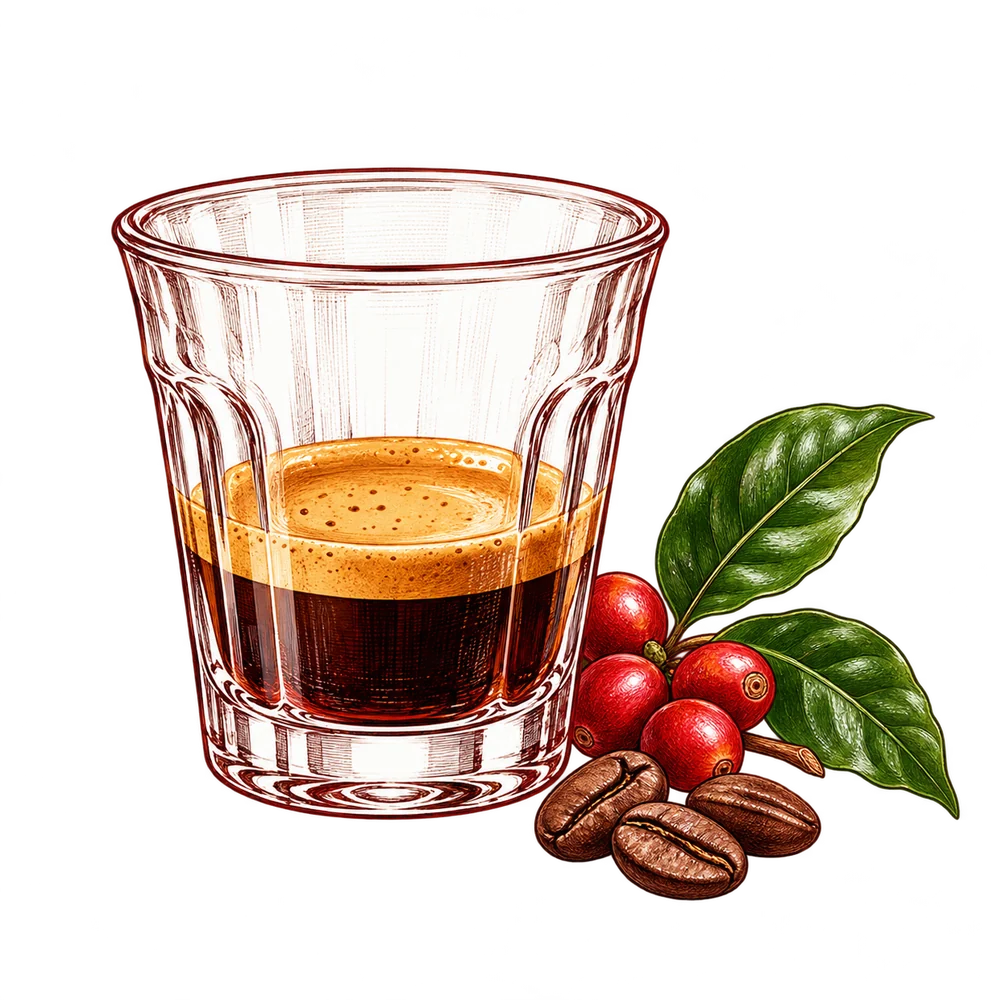
Illustration of a dark coffee in a glass with coffee cherries
Dark roast

Salawara.

Single-estate Arabica

One estate. A distinctive dark roast. Washed S795 Arabica from Salawara Estate, our principal source in Karnataka.
Estate.
Salawara, Karnataka
Process.
Washed
Variety.
S795
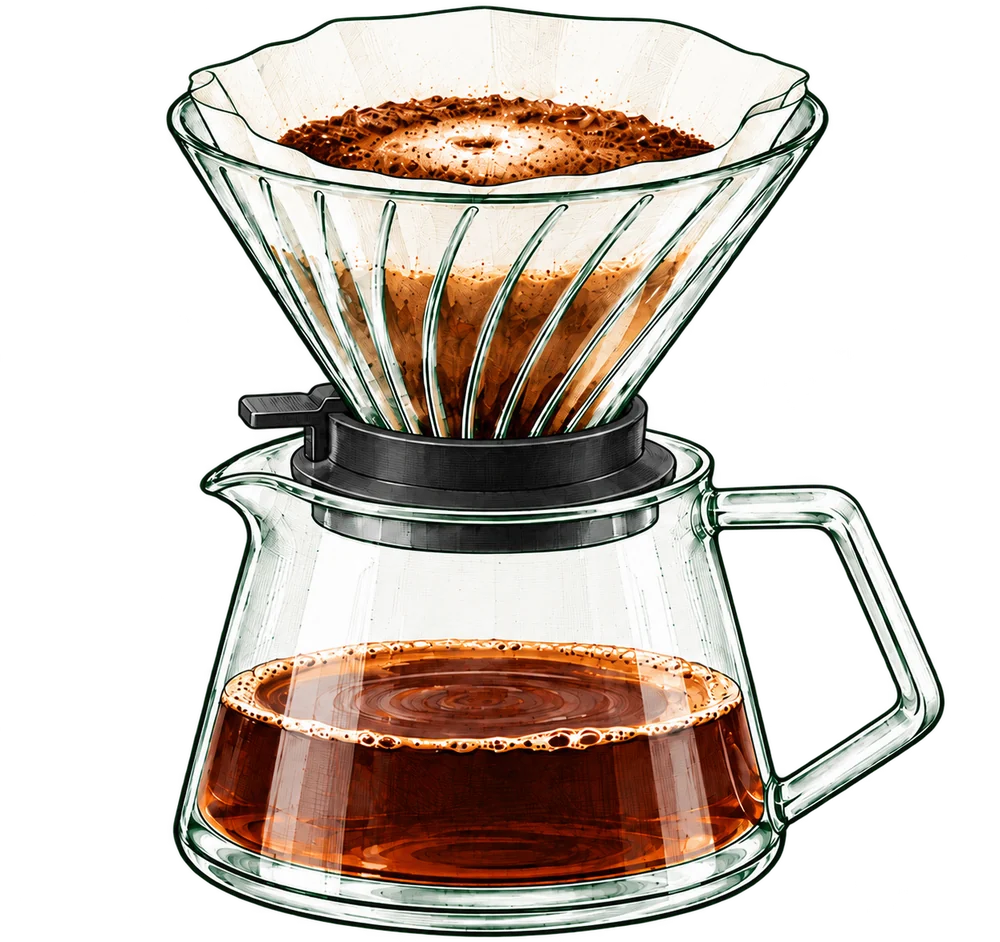
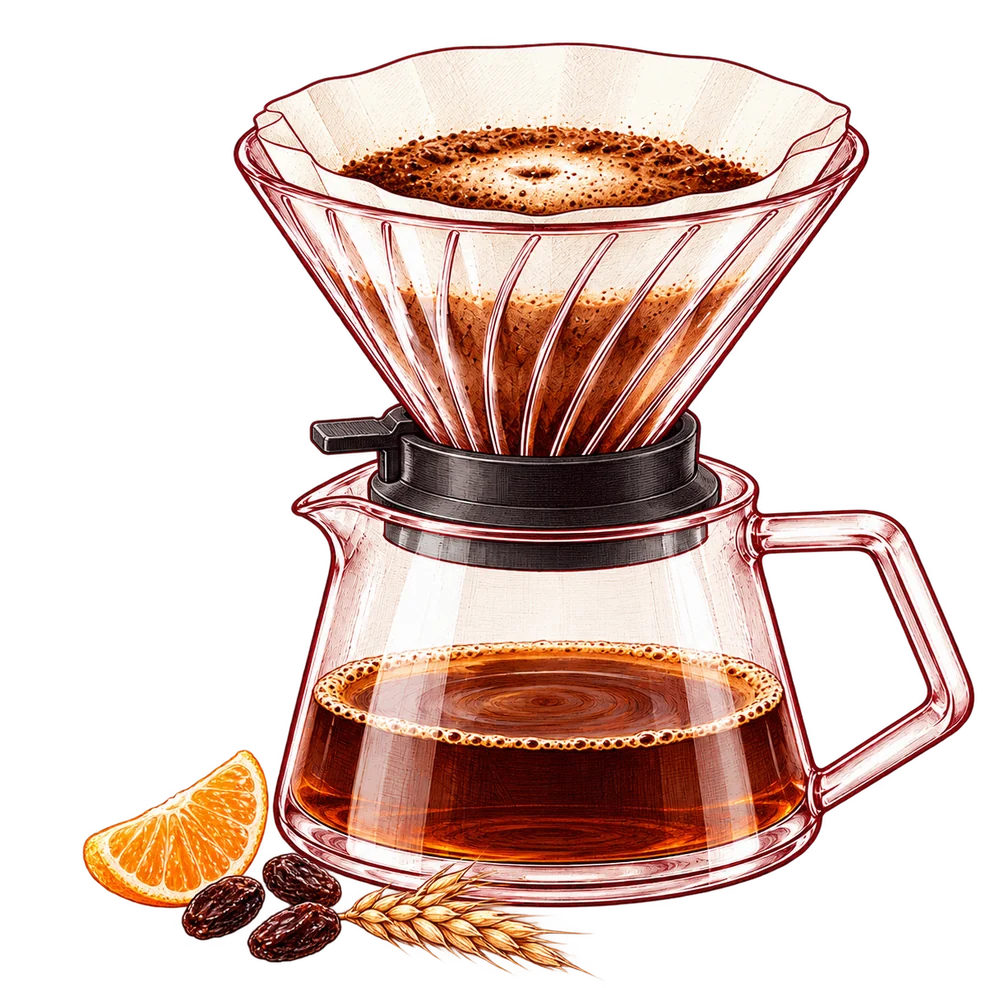
Illustration of a pour-over with tangerine, malt and coffee beans
Light roast

Salawara Red Honey.

Malt. Tangerine. Raisin.

A rounded, sweet cup with dried-fruit depth. Served as a hot or iced pour-over.

Estate.
Salawara · Sakleshpur
Process.
Red honey
Variety.
Chandragiri
Elevation.
1,143 MASL
Illustration of black coffee with strawberry, grapefruit and chocolate
Light roast

Bisal Munti.

Strawberry. Grapefruit. Milk chocolate.

A bright, fruity cup with a soft chocolate finish. Served as a hot or iced pour-over.

Estate.
Bisal Munti · Mandya
Process.
Carbonic maceration natural
Variety.
Mixed Arabica
Elevation.
650 MASL

Fruit and chocolate illustrate tasting notes, not added ingredients. Ask which coffees are on the bar today.

Find your kind of cup.

Go with your mood. We’ll take it from here.

From estate to everyday
How we brew.

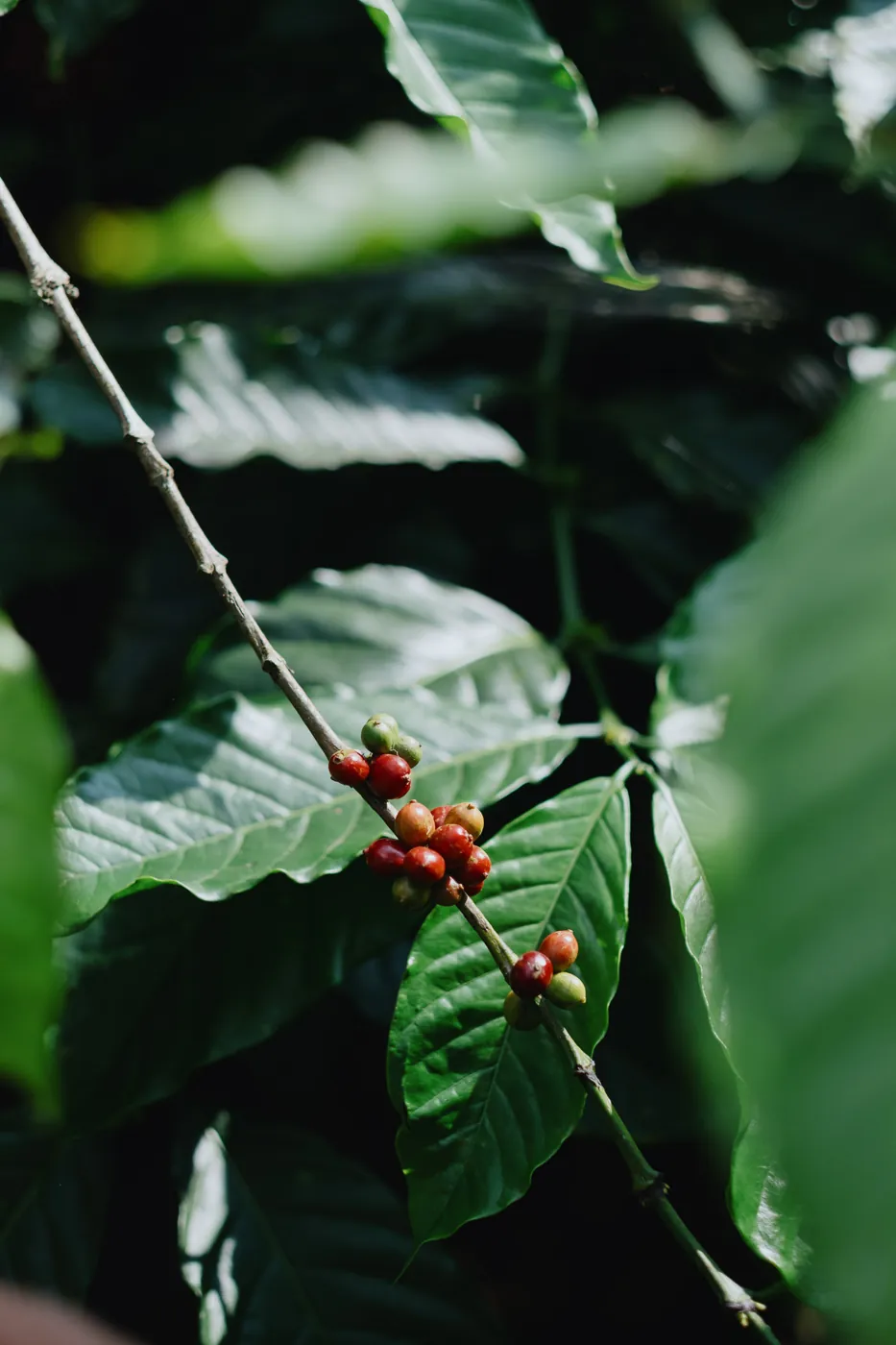
Red and green coffee cherries ripening on a branch
01

The bean.

It starts at the estate. Our coffee story begins with the people and places behind each harvest.
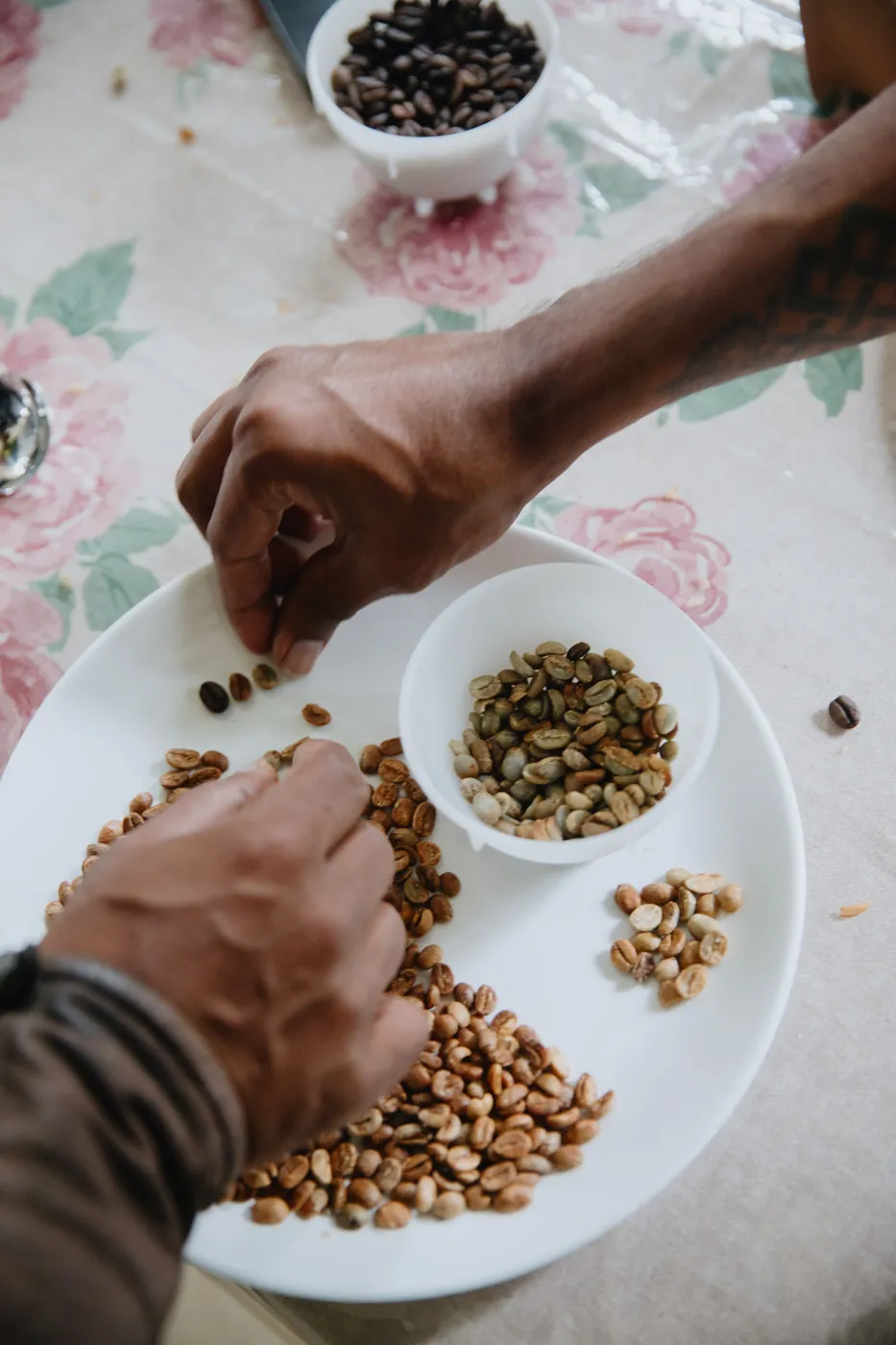
Hands sorting green and roasted coffee beans on a white plate
02

Every detail matters.

Origin, processing, roast and brewing all shape the cup. From the first grind to a measured pour, we make room for those differences.
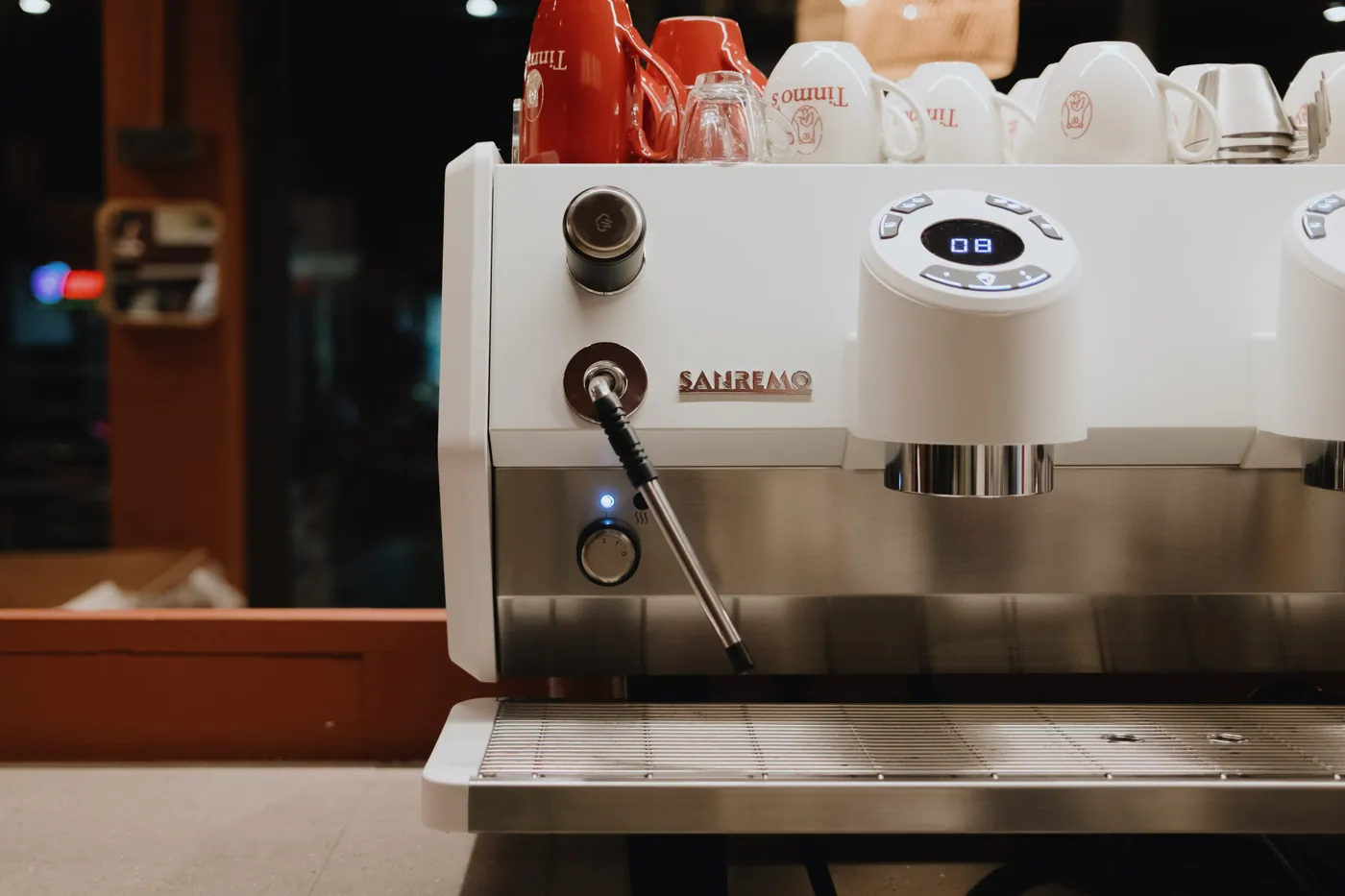
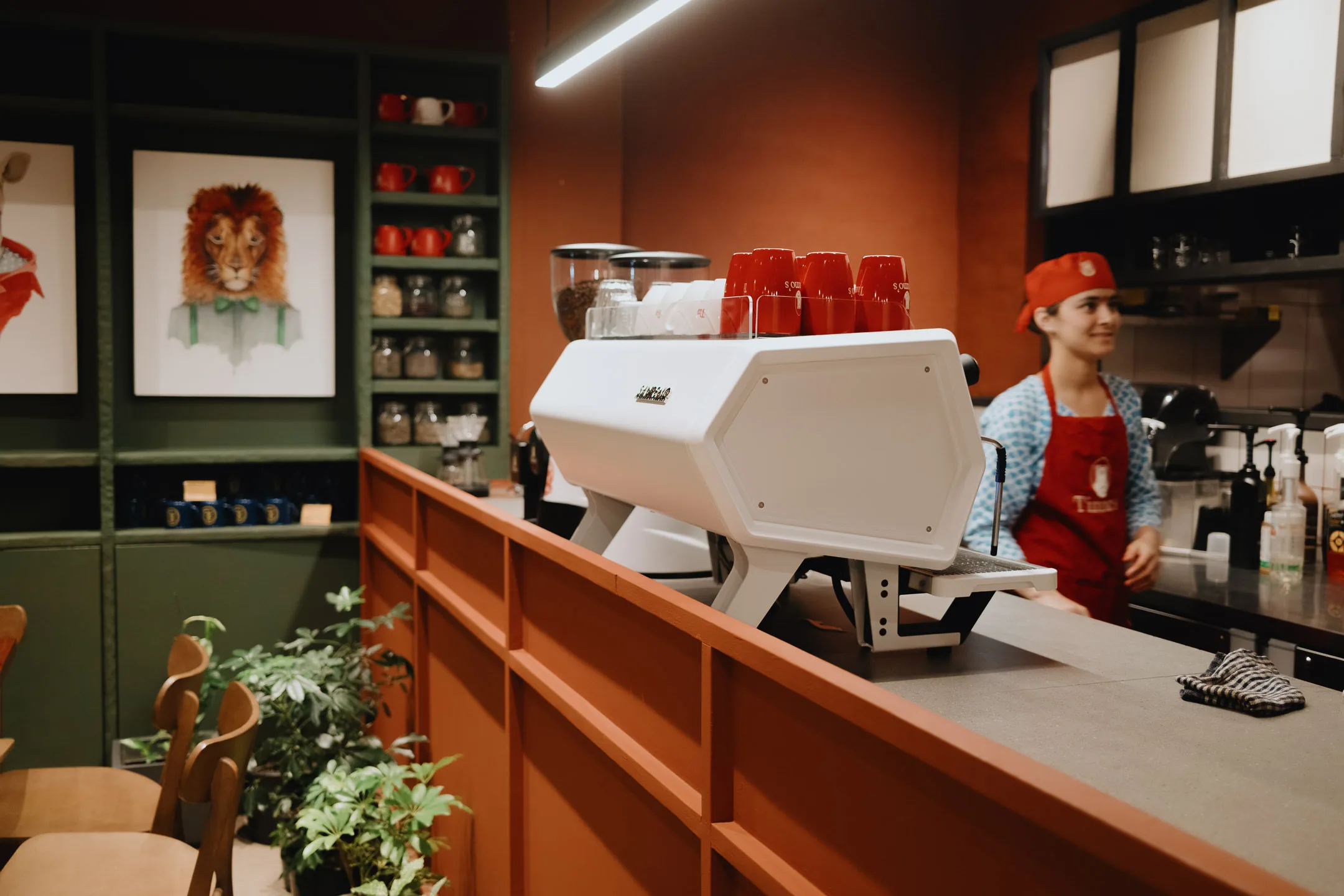
The white Sanremo espresso machine at Tinmo’s, with red and white Tinmo’s cups on top
03

Made for your moment.

Freshly ground beans. Every espresso shot weighed and timed. A familiar cup, or something new to discover.

Point of origin

Different estates. Distinct characters.

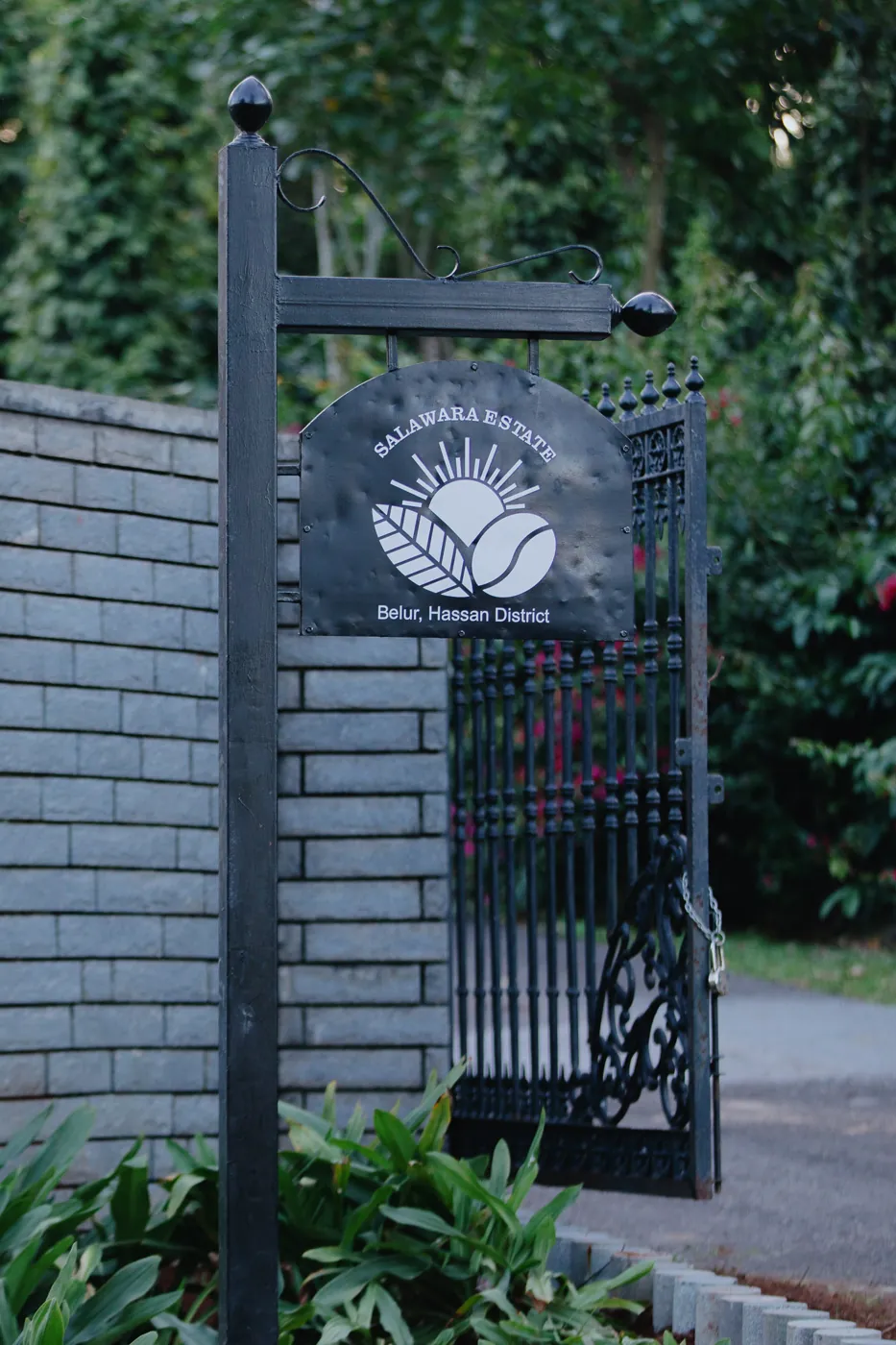
Salawara Estate is our principal source, alongside Bisal Munti, Mooleh Manay and Pulney. Its washed Arabica and Red Honey micro lot show how one origin can offer different characters.
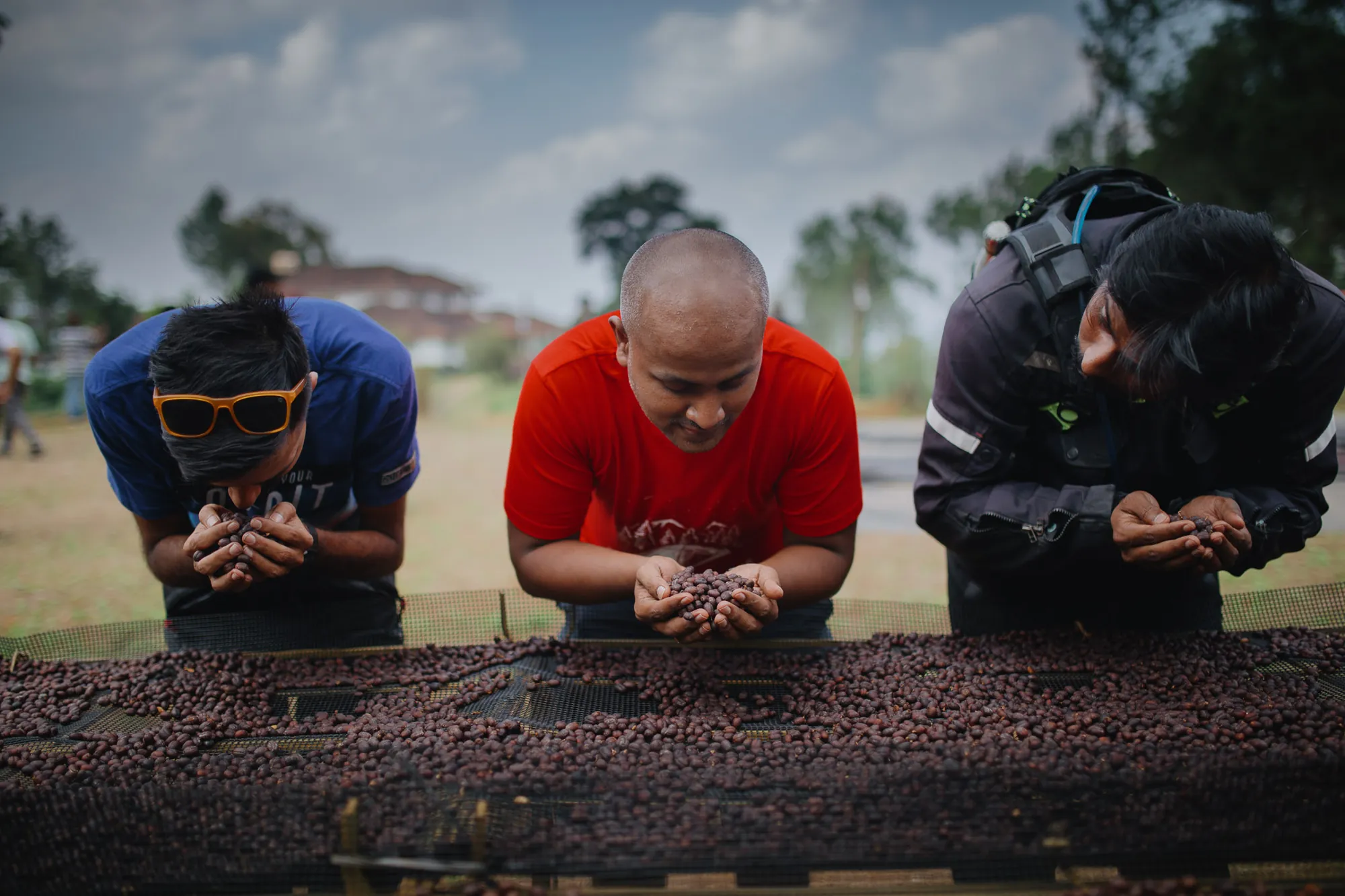
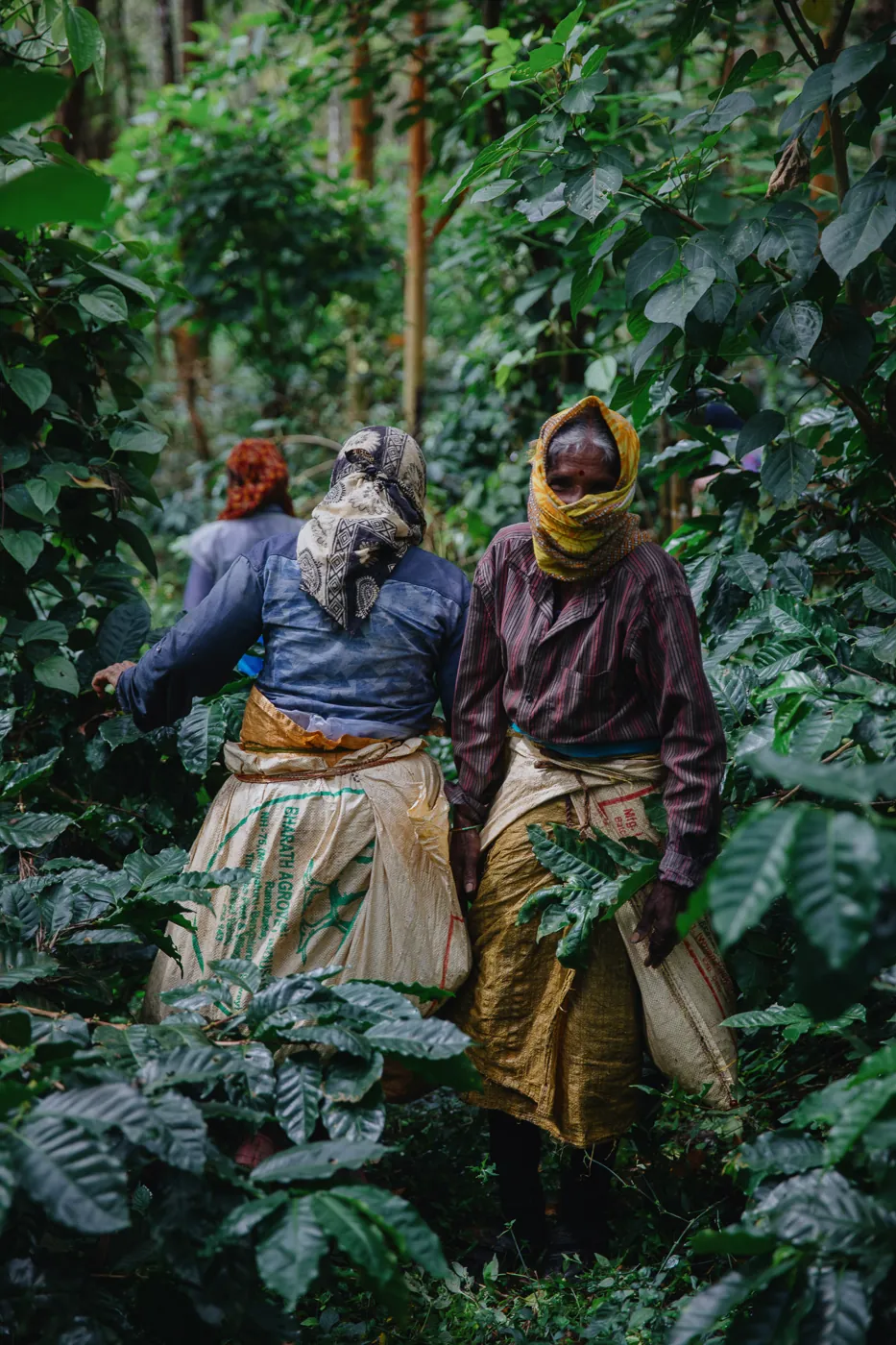
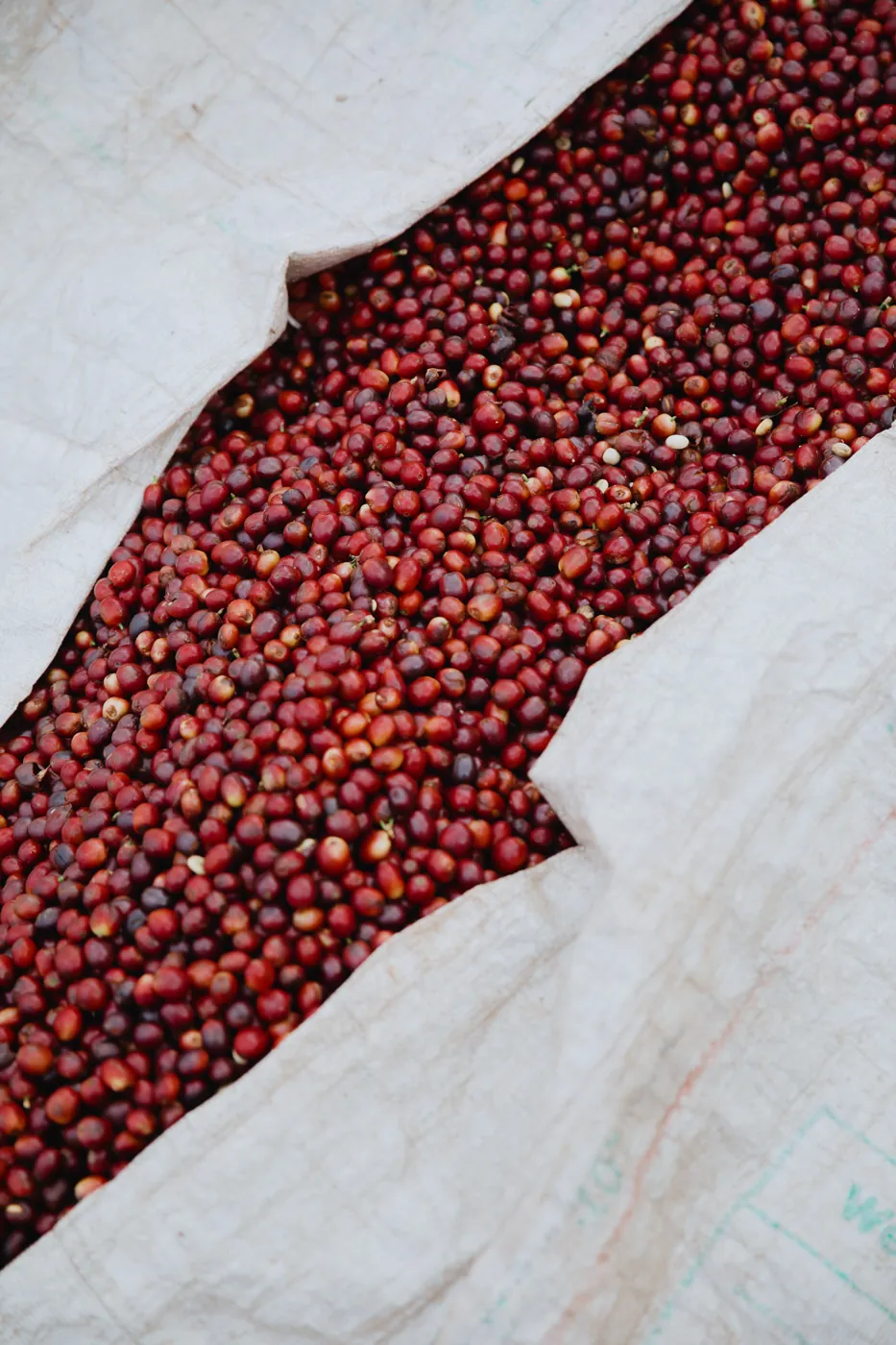
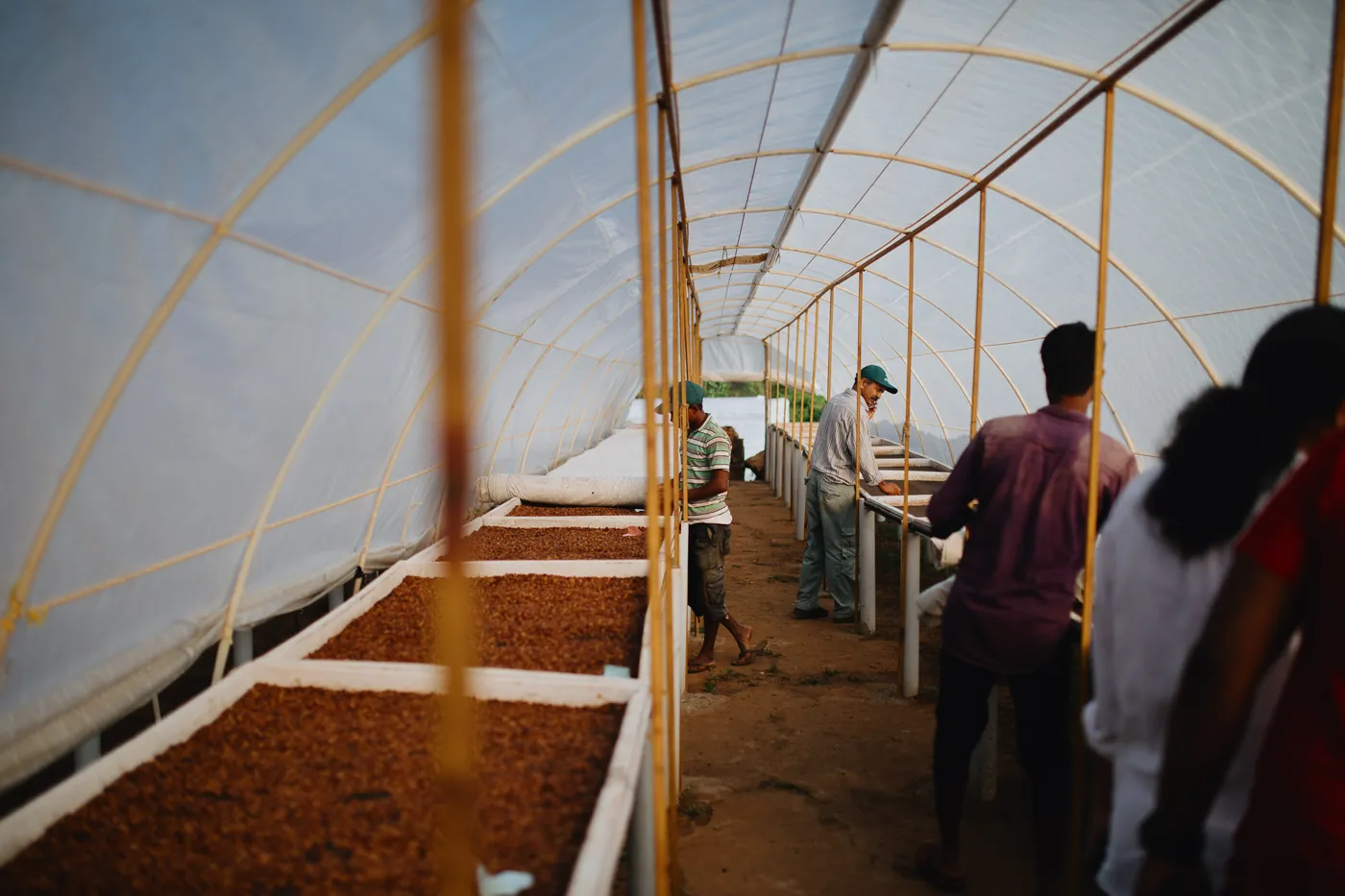
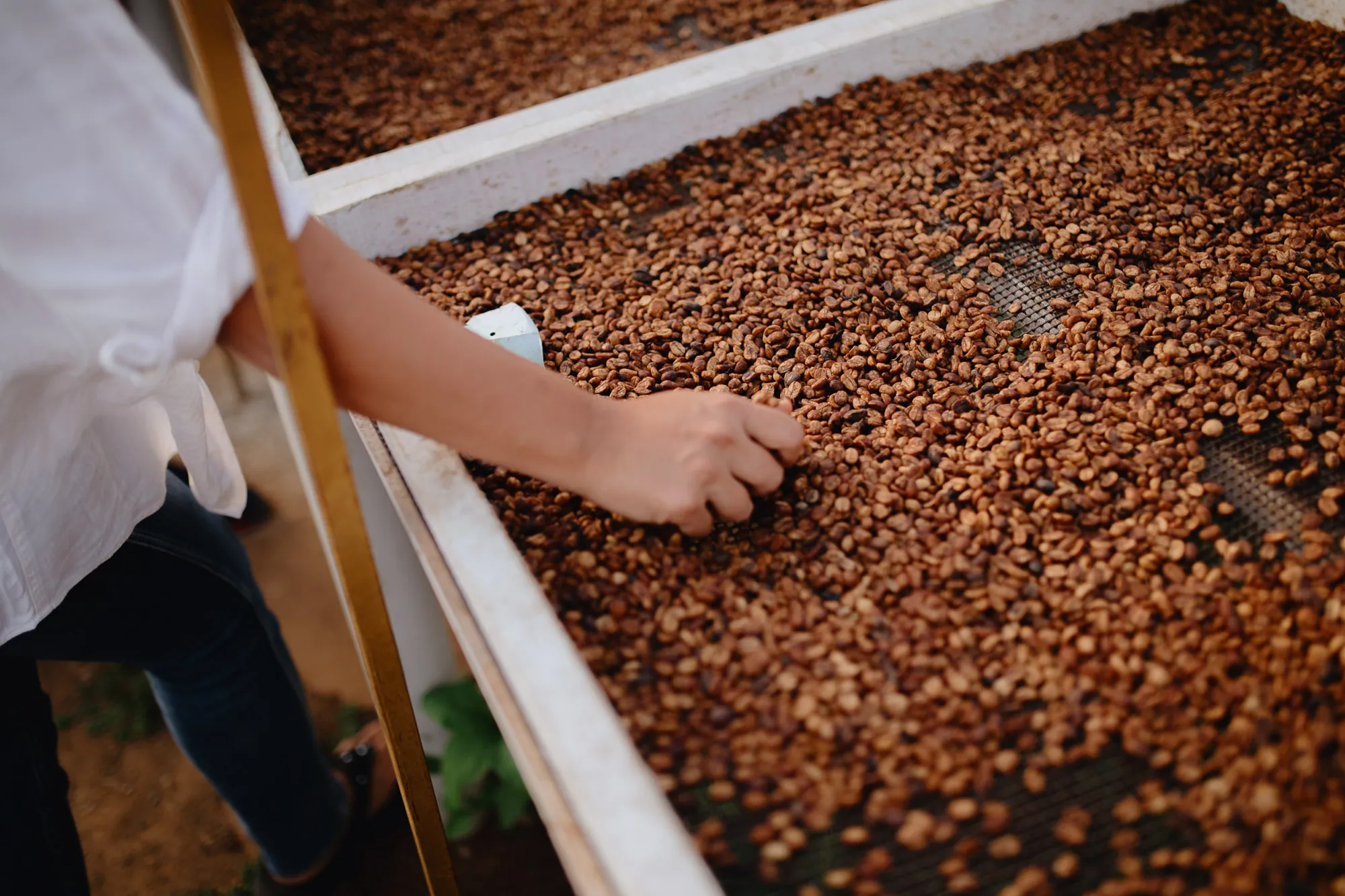
Three people at an estate leaning over a drying bed, smelling handfuls of dried coffee cherries Coffee pickers walking between coffee plants with harvest sacks tied at the waist A sack full of freshly picked red coffee cherries Rows of raised drying beds inside a covered drying tunnel The Salawara Estate sign at the estate gate

Japanese matcha

Meet your matcha moment.

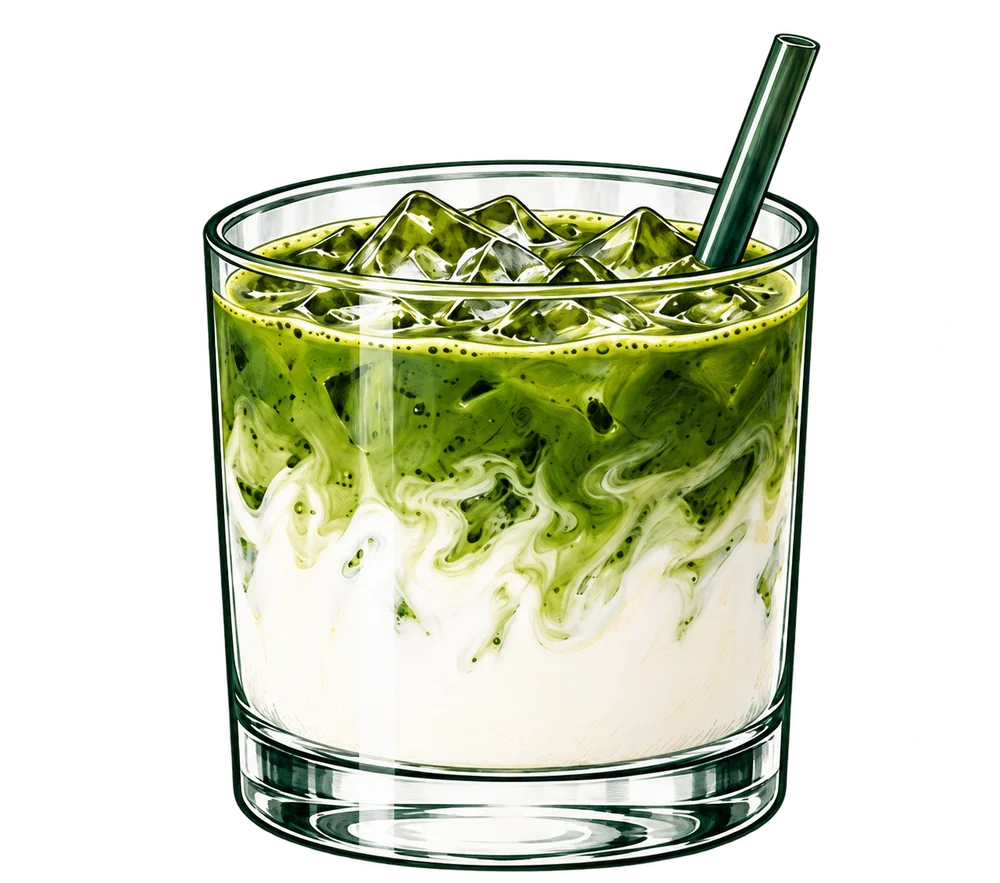
Shade-grown. Stone-milled. Japanese matcha, prepared with the same care we give our coffee.

  • Iced latte
  • Green Coco
  • Strawberry
  • Mango

Regular or oat milk. Make it yours.

Illustration of an iced matcha latte

Good coffee invites a little curiosity.

You don’t need a coffee vocabulary to enjoy a good cup. Start with what you notice.

What makes it speciality coffee?

Its distinctive qualities, and the people and decisions behind them. Origin, processing, roasting and brewing all shape the flavour, aroma and texture you experience.

Explore with the SCA
Does red honey mean added honey?

No. Red honey describes a processing method where some of the coffee fruit’s sticky layer remains around the seed as it dries. No honey is added.
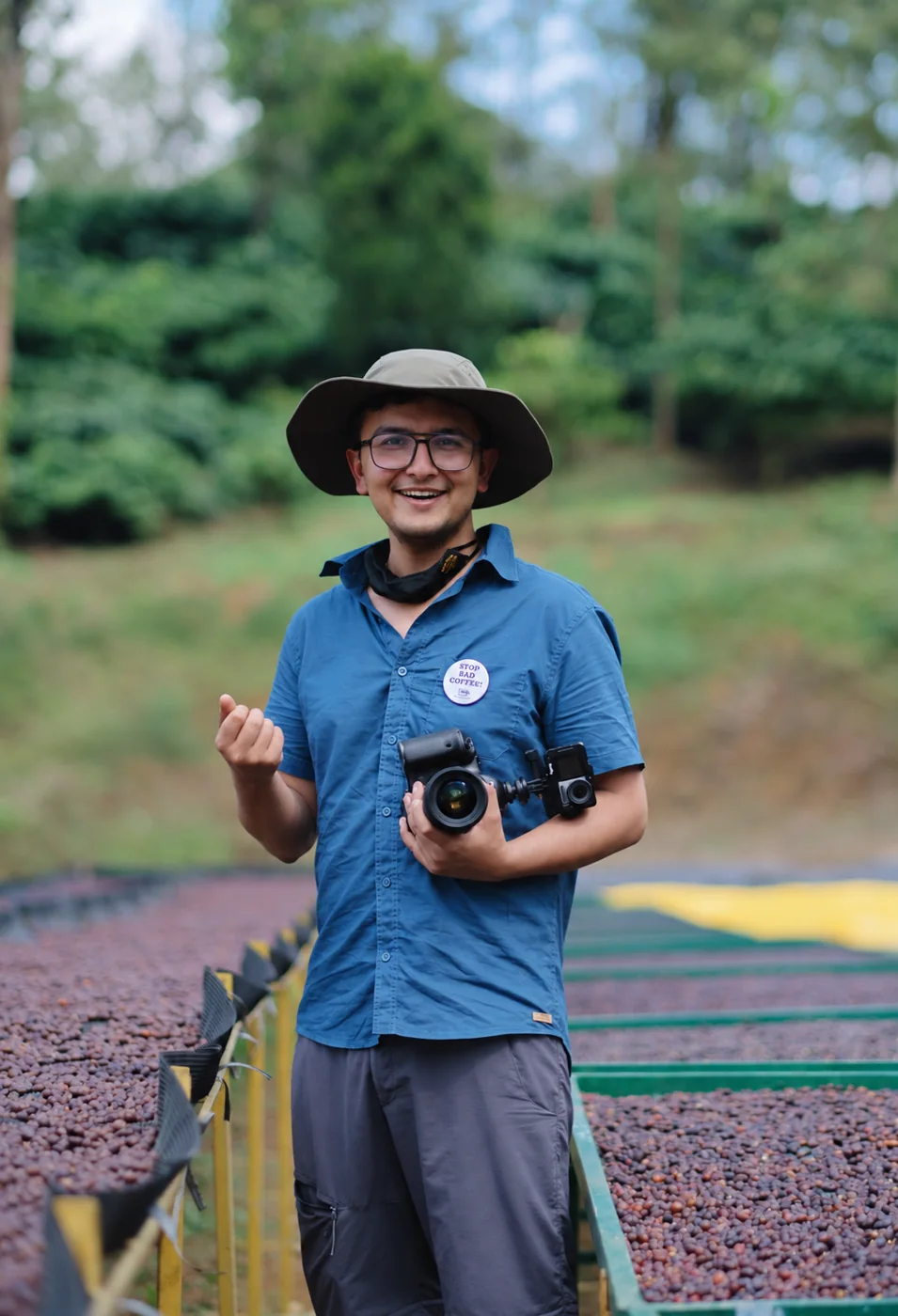
Himanshu Khagta, founder of Tinmo’s, smiling with a camera among coffee drying beds at an estate
Himanshu Khagta, founder, on an estate visit.

Our story

A world of coffee. A place called home.

Himanshu Khagta runs Qurost, a video production company. A few years ago he took a crew into the coffee estates of Coorg and Chikmagalur to produce an ad film for a motorcycle brand. On that shoot he met Suhas Dwarakanath, the founder of BENKI and an authorised trainer for the Specialty Coffee Association, who went on to represent India at the 2025 World Barista Championship. Suhas and Viggnesh V, a coffee specialist, researcher and the founder of the Madras Coffee Movement, became his guides into the world of coffee. He came home with the film, and a serious coffee habit. In 2022, that habit became Tinmo’s, right here in Samala, Rohru.

Speciality coffee, Japanese matcha, and a little room to slow down.

A barista smiling behind the Tinmo’s bar, with a white espresso machine, red cups and green shelves
Life at Tinmo’s. More on Instagram

Your table in the mountains.

Where. Samala, Rohru
Shimla district
Himachal Pradesh
When. Every day
7 AM–8:30 PM
How. Order at the counter.
We’ll serve you at your table.
Get directions Call +91 931 7070 800

Getting there.

Rohru sits in the Pabbar valley, in Shimla district. Worth the drive, and worth a stop on the way.

By road.

  • From Shimla.About 3 hours · 108 km
  • From Chandigarh.About 6 hours · 225 km
  • From Delhi.About 10–11 hours · 475 km

Parking. Space for two cars at the café, with more street parking close by. Times are approximate and depend on the hill roads and the season.
Worth the detour.

Hatkoti. Temples dating back to the 8th and 9th centuries, including Hateshwari Mata, where two streams meet the Pabbar. About 15 minutes before Rohru on the road from Shimla.
Chanshal Pass. About 3,750 m up, roughly 50 km from Rohru through Chirgaon and Larot. The last climb is rough, so take a high-clearance car and a full day. Usually open May to November, weather permitting; best avoided in the monsoon.
The Pabbar river. Rohru sits right on the Pabbar, in the heart of the valley’s apple country. Take your cup for a slow walk along the river.